Our Operating Hours: Mon – Sat 8:30am – 10pm Sun 8:30am – 5pm

A Business Owner’s Guide to Air Conditioning in the Workplace

Every successful business runs on people—and people work best when they’re comfortable. In Singapore’s tropical climate, an efficient air con for offices does more than cool the room; it keeps energy use balanced, prevents costly repairs, and supports a healthier workplace.
From choosing the right system to maintaining it properly, this guide helps business owners make smart, practical decisions about office cooling solutions that lead to greater comfort, savings, and reliability.
Key Takeaways
|
Planning an Air Con System That Works for Your Offices
Choosing a new air con is a major investment for most offices. Rushing the decision often leads to an oversized system that wastes energy or an undersized one that never quite cools the space effectively. Thoughtful planning is crucial for ensuring efficiency, comfort, and value.
What to Consider Before Installing Air Con for Offices

1. Office Size and Layout
A compact office in a shophouse has vastly different needs compared to an open-plan space on an entire floor or a multi-level layout. You need to look beyond square footage: ceiling height, internal partitioning, and the materials used for walls and floors all influence how cooling is distributed and retained.
2. Occupancy Patterns and Usage Zones
Think about where heat is generated. Areas with high foot traffic, large meeting rooms, kitchens, or server rooms will have a much higher heat load. You must consider which spaces need priority cooling and whether zoning is required; this allows different departments to set their own optimal temperatures rather than standardising across the entire office.
3. Sun Exposure and Window Placement
The afternoon sun in Singapore can be particularly harsh. Offices with west-facing glass panels or poor insulation often experience higher heat gain, increasing the demand on cooling systems. When planning air con for offices, consider sun orientation, window size, and glass type, as these factors directly affect indoor temperatures and may require higher cooling capacity or strategic unit placement.
4. Electrical Capacity and Infrastructure
Does your existing building infrastructure support a new system? Older commercial buildings tend to have limitations on the existing power supply, available ceiling space, or external mounting area. Your choice of system, especially a large Variable Refrigerant Flow (VRF) or centralised unit, may require rewiring or structural changes.
5. Ventilation and Indoor Air Quality Needs
Proper airflow and filtration are just as vital as temperature control. In fact, studies have shown that poor workplace air quality can significantly reduce productivity and cognitive performance. This is where effective ventilation is key, helping prevent stuffiness, promote steady circulation, and reduce the buildup of airborne pollutants. This, in turn, supports employee health and enhances comfort and focus.
Choosing the Right Air Con System for Your Offices

Once you’ve assessed your requirements, the next step is to select an air conditioning system that fits your business size, layout, and long-term efficiency goals. The right choice ensures consistent comfort, lower running costs, and easier upkeep over time.
1. System Type: Split, VRF, or Centralised?
- Split Systems: Best suited for smaller offices or spaces that require cooling in specific zones. They are affordable and straightforward to install, though multiple outdoor units may affect the building’s exterior appearance.
- Variable Refrigerant Flow (VRF/VRV): Ideal for larger, multi-zone offices. These systems connect several indoor units to a single outdoor condenser, providing precise temperature control and energy-efficient air conditioning through zoning. They can even heat and cool different areas simultaneously, offering excellent flexibility for varied work environments.
- Centralised (Chilled Water) Systems: Common in large commercial buildings or towers. While they deliver high cooling capacity, they typically offer less flexibility for individual room control.
2. Cooling Capacity
Cooling capacity, measured in BTU (British Thermal Units), determines how effectively your system can cool the office. Undersized units struggle to cool efficiently, while oversized ones waste energy and cause uneven cooling. That is why a commercial load calculation should always be done to account for heat generated by people, computers, lighting, and sun exposure.
3. Energy Efficiency
When choosing an air con for your office, opt for models with high NEA tick ratings and inverter technology to reduce long-term energy costs. Inverter systems automatically adjust compressor speed to maintain a steady temperature, consuming far less electricity than conventional on/off units while providing smoother, more consistent cooling. Over time, this translates to significant savings and a smaller environmental footprint for your office.
4. Smart Features and Zoning Options
Modern air con units for offices come with smart features that boost efficiency and convenience. Programmable timers, motion sensors, and mobile app controls allow temperature adjustments based on occupancy, reducing unnecessary energy use. Zoning systems offer flexible control, letting you keep critical areas like server rooms cool while powering down unused zones after hours for optimal savings.
5. Noise Levels and Aesthetics
In client-facing or creative spaces, excessive noise can affect focus and comfort. Opt for systems designed for quiet operation, such as inverter or ducted units. Ceiling cassette models also blend neatly into interiors, maintaining a clean, professional look while providing even airflow and unobtrusive performance throughout the office.
6. Installation and Maintenance Considerations
When planning aircon installation for offices, consider not just the upfront cost but also the installation complexity and future maintenance access. Some systems are easier to install with minimal disruption, while others may require ceiling modifications or additional wiring. It’s also important to ensure that maintenance access for commercial aircon maintenance is built into your design, particularly for units installed above false ceilings or in confined spaces. This will help prevent future servicing challenges and unnecessary downtime.
Managing and Optimising Air Con Performance for Offices
Proper management is what turns a good system into a great one. Once your aircon installation is complete, daily habits and a rigorous service schedule will affect your operating costs and workplace comfort.
Day-to-Day Air Con Management Tips for Offices

1. Set a Standard Office Temperature
In Singapore, the optimal indoor temperature for comfort and efficiency is around 24–25°C. Set this as the default on all thermostats or central controllers, and restrict manual adjustments to prevent overcooling and unnecessary energy waste. Avoid setting air con temperatures for offices too low, as each degree below that can increase energy use by about 10%.
2. Use Blinds and Curtains to Reduce Heat Gain
Close blinds or curtains during peak sunlight hours (11 a.m.–3 p.m.) to block direct heat. If possible, use reflective or thermal window films to further reduce solar gain and minimise heat entering the workplace. This can help lighten the load on your cooling system, allowing it to maintain a comfortable temperature more efficiently.
3. Keep Vents and Units Unobstructed
Make sure that air vents and return grilles are not blocked by furniture, plants, or storage boxes. These can restrict airflow, forcing your system to work harder to circulate cool air. This can lead to uneven temperatures and faster wear. Keep these areas clear to help your air conditioner run more efficiently and maintain consistent comfort throughout the office.
4. Switch Off or Adjust Settings After Hours
Many air con systems for offices waste energy cooling empty spaces after hours or on weekends. Use built-in timers and smart scheduling features, or make it part of your closing routine to turn off the air conditioner before leaving. A quick staff reminder or checklist can help cut energy costs without affecting comfort.
5. Encourage Staff Awareness
Get everyone involved in keeping the office cool efficiently. Encourage simple habits, like keeping windows closed, avoiding unnecessary thermostat changes, and reporting any leaks, odd smells, or noises early. When everyone plays their part, the system runs smoother, lasts longer, and saves on unnecessary repairs.
Maintenance Practices to Keep Your Office Air Con Running Smoothly
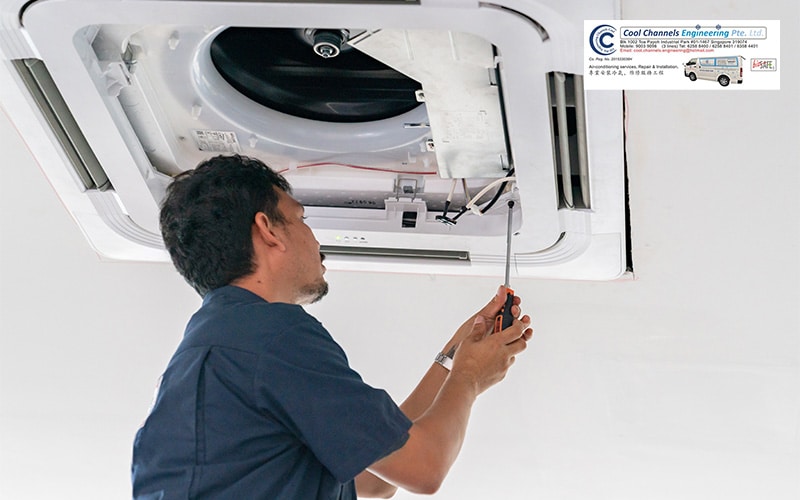
For reliable operation, low running costs, and optimal office air quality, regular maintenance is non-negotiable. A clean, well-maintained air con system for offices also supports better air quality and comfort.
Monthly Tasks
- Clean or Replace Air Filters: Dirty filters are the primary cause of reduced airflow and system strain. In an active office environment, filters should be cleaned at least once a month, and more often if your space is particularly dusty.
- Check for Unusual Noises or Odours: Listen for rattling sounds or look out for musty smells. These are early warning signs of mechanical issues (like loose components) or mould buildup, respectively. Early detection can help avoid costly problems down the road.
- Ensure Vents and Units Are Unblocked: A quick visual check to confirm that no new furniture or items are obstructing the indoor units.
Quarterly Tasks
- Clear Drain Lines and Check for Condensation Leaks: Blocked condensate lines are a common culprit for water leaks, damp ceilings, and mould. A quarterly chemical or water flush helps prevent buildup.
- Visual Check of Outdoor Units: Clean aircon condensers and ensure that external units aren’t blocked by debris, leaves, or nearby equipment. Good airflow around these outdoor units is essential for the system to expel heat efficiently.
Biannual or Annual Tasks
- Full System Inspection by a Qualified Technician: Every 6–12 months, schedule a comprehensive air conditioning service and repair. This should include checking refrigerant levels, testing all electrical components, and deep-cleaning the internal coils and blower wheels.
- Gas Top-Up and Leak Detection: Low refrigerant levels can significantly affect cooling performance and increase energy use. Technicians can conduct professional aircon troubleshooting to identify and address minor leaks before they become critical issues.
- Review System Performance and Plan for Replacement: Annual reviews help you spot declining efficiency, unusual spikes in power consumption, or ageing equipment. Tracking your system’s performance history allows for timely upgrades and prevents emergency breakdowns.
Frequently Asked Questions
1. What’s the difference between residential and office air conditioning systems?
Residential systems are designed for smaller spaces with consistent occupancy and simpler cooling requirements, often using single split units. In contrast, air con systems for offices are built for larger, more dynamic environments. These systems typically feature multi-zone configurations (such as VRV/VRF), higher cooling capacities, and advanced controls for zoning, scheduling, and managing varying loads throughout the day.
2. Can poor air conditioning performance affect employee productivity?
Yes. Uneven temperatures, poor ventilation, or excessive noise can make employees uncomfortable, leading to lower concentration, fatigue, and even higher absenteeism. A well-maintained air con for offices helps ensure consistent temperatures (around 24–25°C) and proper airflow, promoting better focus, morale, and overall workplace well-being.
3. Should I repair or replace an older office air conditioner?
If your system is more than 10 years old, frequently breaks down, or struggles to cool effectively, replacement is often the smarter choice. For offices, modern, energy-efficient air con systems with inverter technology provide more consistent cooling and lower running costs. A professional technician can assess your system’s condition and recommend whether repair or replacement offers better long-term value.
4. What type of air con system is best for open-plan offices?
For open-plan layouts, systems like VRF (Variable Refrigerant Flow) or ceiling cassette units work best. They provide even cooling across large areas and allow flexible zoning, so different sections of the office can be controlled independently for better comfort and efficiency.
Invest in Comfort, Efficiency, and Peace of Mind

A well-designed and properly maintained air con for your offices is one of the best investments you can make. It promotes employee wellbeing, supports consistent productivity, and helps control long-term costs. By understanding your cooling needs, scheduling regular maintenance, and choosing the right service partner, you can enjoy a workspace that’s efficient, healthy, and comfortable all year round.
Partner with Cool Channels Engineering for dependable solutions that keep your business running smoothly. From professional aircon services for offices to preventive maintenance and commercial aircon repair, our team delivers reliable, cost-effective service tailored to Singapore’s workplaces.
Contact our friendly team today to discuss your cooling needs and discover how we can help you create the ideal environment for your staff and clients.
Sorry, comments are closed for this post.