0
0

Most people switch on their air conditioner and leave it running on the same setting all year round. But did you know that most modern systems come with multiple aircon modes designed for different situations? Using them wisely not only boosts comfort but also reduces humidity, energy consumption, and unnecessary strain on the unit.
Below, we’ll guide you through the different air conditioner settings and modes so you can get the most out of your unit.
Cool Mode is the go-to setting for most Singaporeans. When activated, the aircon works to reach your selected temperature quickly, great for hot, sunny afternoons when rooms heat up fast.
To use it efficiently, avoid setting the temperature too low. Maintaining a range of 24°C to 26°C keeps you cool without forcing the compressor to work overtime. However, if your unit still struggles to cool even with this mode activated, it may indicate issues such as restricted airflow, dirty coils, or low gas levels. In such cases, arranging professional aircon troubleshooting services can help identify the root cause and restore optimal performance.
In Singapore’s tropical climate, humidity often feels more uncomfortable than heat. Dry Mode helps by removing moisture from the air without drastically dropping the temperature.
This aircon mode works best during rainy days, when indoor spaces feel damp, or in rooms with poor ventilation. Since it runs the compressor intermittently, Dry Mode is also more energy-efficient than Cool Mode—the perfect setting for those who want comfort without excessive cooling.
Fan Mode does not activate the compressor; instead, it uses the indoor fan to circulate air evenly throughout the room. With no cooling involved, this aircon mode consumes far less energy than Cool Mode while still improving overall airflow. It also helps prevent rooms from feeling stale, especially when paired with open windows for natural ventilation. Fan Mode is best used during mild weather, early mornings, or anytime you want improved air movement without lowering the temperature.
Auto Mode takes the guesswork out of staying comfortable. Once you set your preferred temperature, the unit automatically shifts between cooling and fan operation based on the room’s conditions.
This mode works well when you want the aircon to manage itself without frequent tweaks, making it ideal for busy households or shared spaces where temperatures fluctuate throughout the day. Since it avoids unnecessary cooling cycles, Auto Mode helps keep energy use in check while still maintaining a comfortable environment.
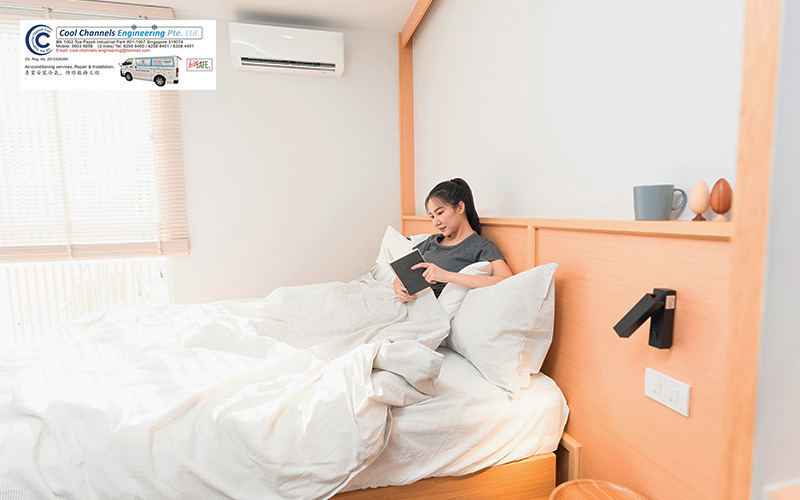
The best aircon mode for better sleep, Sleep Mode follows the body’s natural tendency to need less cooling as the night progresses. Instead of running at a constant temperature, the system slowly increases the set point to prevent the room from becoming uncomfortably cold.
With fewer compressor cycles, Sleep Mode lowers energy consumption and creates a more restful sleeping environment. This is especially helpful in Singapore’s warm nights, where continuous cooling can lead to dryness or disrupted rest.
Learning how to use the various modes and settings enables you to strike the right balance between comfort and efficiency. For example:
If certain modes still feel ineffective, it may be time for cleaning or professional servicing. Built-up dirt, mould, or blocked drainage often limits performance, and scheduling a thorough aircon chemical cleaning might be what your aircon needs to restore full functionality.
Singapore’s weather makes air conditioning a daily essential, but using only one setting limits your system’s potential. Now that you understand the purpose of each aircon mode, you can use your unit more strategically. Enjoy better comfort, improved air quality, and optimised system performance, no matter your preference.
At Cool Channels Engineering, we help homeowners and businesses get the most out of their air conditioning systems through reliable servicing, maintenance, and expert support. Contact us for professional guidance and dependable aircon care today.