0
0

If you are planning to install a new aircon system, one of the first questions that comes to mind is the cost. In Singapore, prices can vary significantly from one home to another, even when installing similar systems.
This is because the cost of installing an aircon depends on more than just the units themselves. Factors such as your home layout, installation requirements, and system type all play a role. Understanding these details helps you plan your budget more confidently and avoid unexpected charges later on.
In this guide, we break down the real cost of installing an aircon in your home, the key factors that influence pricing, and how you can make smarter, more cost-efficient decisions.
The cost of installing an aircon in Singapore generally costs between $2,000 and $5,000, depending on several factors like system type, installation complexity, and the layout of your home.
The type of system you choose has a direct impact on the installation costs. For example, single-split systems are designed for individual rooms and are generally simpler to install. This often makes them more affordable, especially for smaller homes or when cooling only one or two spaces.
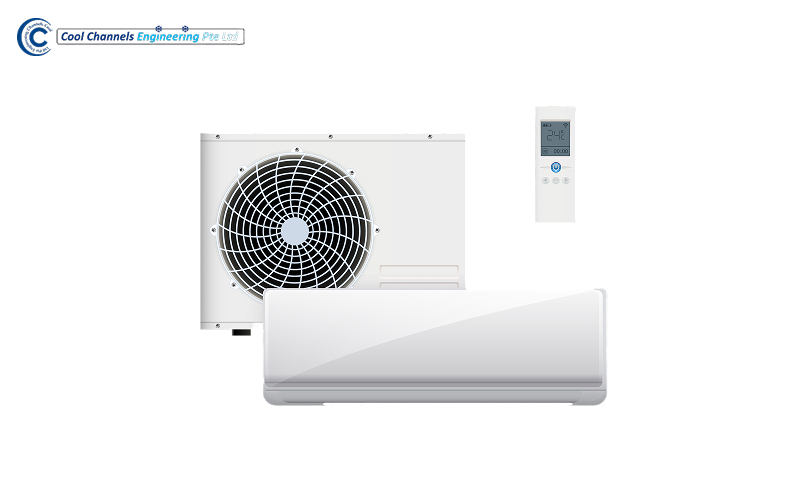
Multi-split systems, which are more common in Singapore, connect multiple indoor units to a single outdoor unit. While the upfront cost of installing these aircon systems may be higher, they can be more efficient overall for homes with multiple rooms. The number of indoor units also affects both equipment and installation costs.
Your home sets the baseline conditions that influence the price of aircon installation. HDB flats, condominiums, and landed properties each come with different structural constraints and guidelines.
For instance, HDB flats may have stricter guidelines on where outdoor units can be placed and how piping is routed, while condominiums often have designated ledges or shared condenser areas. Landed properties, on the other hand, may involve longer distances between indoor and outdoor units due to larger floor areas.
Room size and layout also matter. Larger spaces may require higher-capacity units, while unusual layouts may need longer piping routes. These structural factors directly affect materials and system requirements, which in turn influence the cost of installing an aircon.
Beyond the layout itself, the way the system needs to be installed can further affect the cost of installing aircon. For example, homeowners who prefer concealed piping for a cleaner look may require additional work, such as hacking, trunking, or routing pipes through tight spaces. Customised aircon installations often take more time and coordination, increasing labour costs.
Electrical setup is another consideration. Some systems may require new power points or circuit upgrades to support higher loads. Accessibility also plays a role. If technicians need to work at height, navigate tight service yards, or use specialised equipment, the cost of installing an aircon may increase due to the added effort and safety requirements.
Different brands and models come with different price points. In Singapore, commonly used brands include Daikin, Mitsubishi Electric, Panasonic, and Midea, each offering a range of aircon systems at different costs.
Higher-end systems from brands like Daikin or Mitsubishi Electric are often known for their energy efficiency, quieter operation, and consistent cooling performance. These units often come with higher unit and installation costs, but they can help reduce electricity usage over time, especially for households that rely on aircon daily.
More budget-friendly options, such as selected models from Midea or other entry-level brands, may lower the upfront costs. However, they may come with fewer features or lower energy efficiency, which can affect long-term running expenses.
Warranty coverage and after-sales support also influence your overall investment. Established brands typically offer stronger service networks and longer warranties, which can provide greater peace of mind.
Even with a quoted package, some costs may only become apparent during installation. Understanding these potential add-ons helps you anticipate the full cost of installing an aircon system and avoid unexpected surprises.
Most installation packages include a fixed length of copper piping, which is used to connect indoor and outdoor units. If your home layout requires a longer distance than what is included, additional piping, insulation, and trunking will be needed. This not only increases material costs but also adds labour time, which can raise the overall cost of installing the aircon system.
Some homes may not have the electrical capacity to support newer or higher-capacity aircon systems, particularly multi-split setups. In such cases, installing dedicated circuits or upgrading the existing electrical supply may be necessary to ensure safe operation. These electrical works can add to the overall cost of installing an aircon, especially in older properties.
If you are replacing an existing system, the removal and disposal of old aircon units may not always be included in the base package. Depending on how the current system is installed, dismantling may involve careful handling, additional labour, or disposal fees.
New installations or repositioning of units may require drilling through walls or making adjustments to existing structures to accommodate piping and wiring. The complexity of these works depends on factors such as wall thickness, materials, and accessibility. More extensive modifications can also increase both labour and equipment requirements.
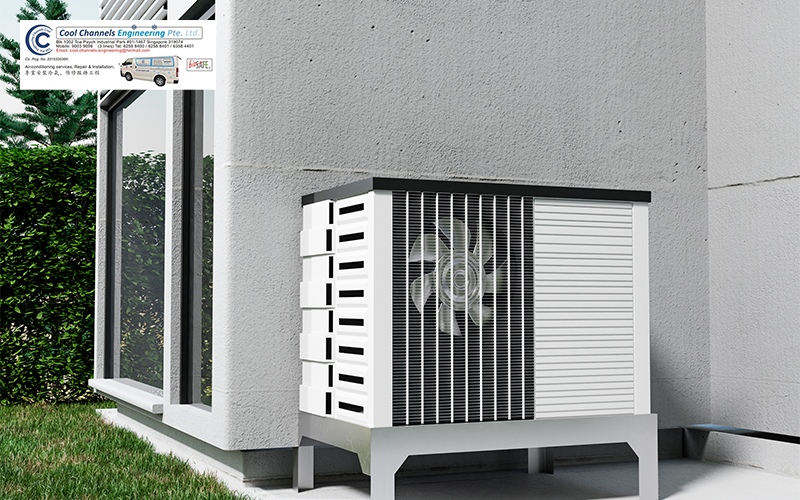
If the outdoor condenser unit needs to be relocated due to space limitations or layout considerations, additional work will be required. This may include installing new brackets, extending piping, or adjusting the system layout. These changes can increase both material and labour costs of installing an aircon.
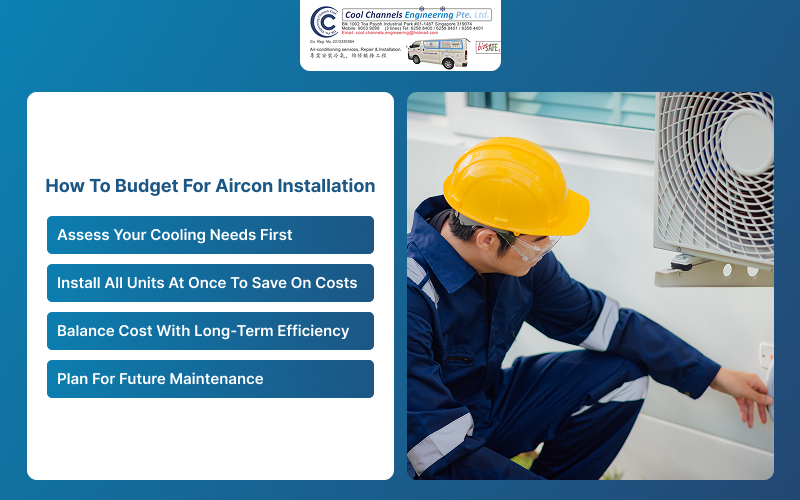
Planning ahead can help prevent unexpected expenses and ensure your system meets your household’s long-term needs.
Start by identifying how each space in your home is used and cooled. Consider the number of rooms, their size, ceiling height, and how frequently the aircon will be switched on. Bedrooms that are only used at night typically require less cooling power compared to living rooms or home offices that run throughout the day. You should also think about sun exposure, as rooms facing direct afternoon heat may need stronger cooling capacity.
Assess these factors to choose the right system size and better estimate the cost of installing an aircon in your home. This helps prevent both underperformance and unnecessary overspending.
If you are moving into a new home or planning a renovation, installing all your aircon units at the same time can be more cost-efficient. This approach allows contractors to plan piping routes, trunking, and electrical work in a single phase, reducing repeated labour and disruption. It also ensures a cleaner, more consistent installation, especially if concealed piping is involved. By consolidating the work into one project, you can better manage the overall cost of installing an aircon system and minimise additional charges that may arise from separate work.
While it may be tempting to choose a lower-priced system, it is important to consider how much you will spend on electricity over time. Units with higher energy efficiency ratings, such as inverter systems, adjust their output based on room conditions and tend to consume less power. Over months and years of daily use, these savings can add up significantly. A slightly higher upfront investment can also provide more stable cooling, quieter operation, and fewer fluctuations in temperature, making your home more comfortable in the long run.
In addition to the cost of installing an aircon system, you should also include aircon maintenance in your overall budget. Routine servicing, such as cleaning filters, checking components, and inspecting refrigerant levels, helps prevent issues from developing into costly repairs. This also supports better energy efficiency and extends the lifespan of your system. Factoring in these ongoing costs early helps you maintain consistent performance without unexpected expenses later on.
Avoiding these common mistakes can help you prevent unnecessary costs when installing your aircon system and ensure a smoother process.
Selecting a unit that is too small or too large for your space can lead to inefficiencies and added costs.
Aircon capacity is typically measured in BTU (British Thermal Units), which indicates how much cooling power a unit can provide. If the BTU rating is too low for the room size, the unit will have to work harder and run longer to achieve the desired temperature, leading to higher electricity bills and faster wear and tear. On the other hand, an oversized unit with a higher-than-needed BTU may cool the room too quickly without properly removing humidity, resulting in uneven comfort and wasted energy.
In some cases, correcting this mismatch may require replacing units or upgrading components, which increases the overall cost of installing an aircon system.
One of the most common oversights is leaving aircon planning too late in the renovation process. Without early coordination, piping and trunking may need to be rerouted or exposed, which can lead to additional hacking, patching, or aesthetic compromises. Planning installation alongside renovation works allows for better integration and can help reduce the overall installation cost.
Failing to consider piping routes in advance can result in longer or more complicated installations. Poorly planned layouts may require additional materials, more labour, or visible trunking that affects the look of your space. By discussing piping routes early with your installer, you can minimise unnecessary extensions and better manage the overall costs of installing an aircon.
Choosing the cheapest quotation without understanding what is included can lead to higher costs later on. Lower-priced packages may exclude essential components or have shorter piping allowances, resulting in additional charges during installation. It is important to compare itemised quotes and ensure you are getting a complete solution, not just the lowest upfront cost.
The cost of installing an aircon in Singapore typically varies depending on the system type, number of units, and installation requirements. A single-split unit may cost a few hundred dollars, while multi-split systems for HDB flats or condominiums can range from a few thousand dollars. More complex setups in larger homes may cost more due to additional piping, labour, and electrical work.
Many retailers offer bundled packages that include basic installation. However, these packages usually come with standard allowances, such as a fixed length of piping and basic electrical work. Additional requirements, such as extended piping, concealed trunking, or electrical upgrades, are often charged separately.
Installation time depends on the number of units and the complexity of the setup. A simple single-unit installation may take a few hours, while a full multi-split system for an entire home can take one to two days. More complex projects involving concealed piping or structural work may take longer.
Regular aircon servicing is important to maintain performance and prevent breakdowns. In Singapore, most households schedule servicing every three to four months, depending on usage. Frequent use or dusty environments may require more regular maintenance to keep the system running efficiently.
In addition to general servicing, a chemical wash or overhaul may be recommended periodically, especially if there are issues such as reduced cooling, water leaks, or persistent odours. These deeper cleaning processes help remove built-up dirt within internal components and restore the system’s performance.
Yes, but the setup will depend on your home layout and system capacity. Multi-split systems are commonly used to support multiple rooms with one outdoor unit. However, space constraints, electrical capacity, and installation feasibility may affect how many units can be installed.
Understanding the cost of installing aircon systems is not just about comparing prices. It is about recognising what goes into a proper installation, from system selection and layout planning to workmanship and long-term performance. By taking the time to assess your needs, plan ahead, and avoid common pitfalls, you can make a more informed decision that supports both comfort and cost efficiency over time.
At Cool Channels Engineering, we offer professional aircon installation tailored to homes across Singapore. With technicians who are BCA-licensed and trained to the highest standards, along with expertise in multi-system installations from System 1 to System 5, you can expect a smooth and well-executed setup from start to finish.
Get in touch with us today to explore solutions that suit your needs.