0
0
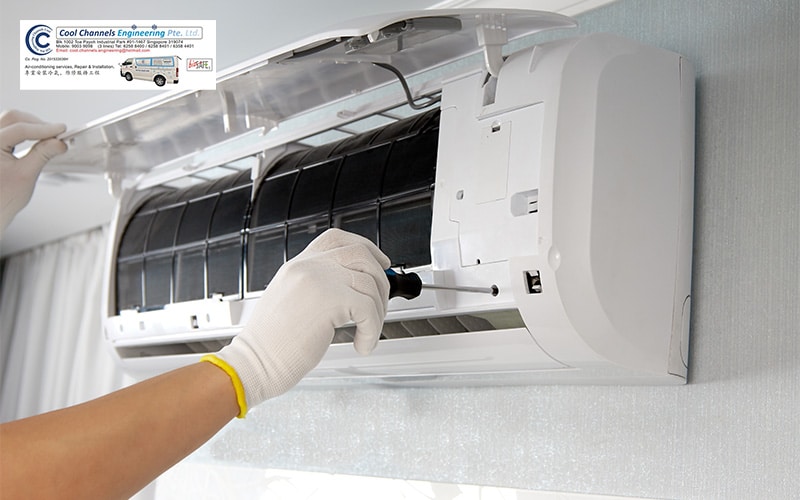
A well-functioning air conditioning system is essential for comfort and productivity in Singapore’s climate. However, even the most durable models cannot perform forever. Over time, efficiency drops, repairs become frequent, and costs add up. Recognising the signs early can help you plan ahead and replace your air conditioning unit before a full breakdown occurs.
Most air conditioning units are designed to last between 10 and 15 years, but performance starts to decline long before they fail completely. Old aircon problems, such as reduced cooling power, frequent breakdowns, or higher electricity use, tend to appear as parts wear out over time. Older systems also rely on outdated refrigerants like R-22, which are being phased out globally for environmental reasons.
When you replace your air conditioning unit, you can upgrade to an energy-efficient model that cools better, runs quieter, and keeps your energy costs lower in the long term.
If your aircon has needed multiple major repairs within a year, or if a single repair costs more than half the price of a new unit, it’s no longer practical to keep fixing it. Recurring issues like compressor or condenser coil failures indicate deeper mechanical wear that can’t be solved with quick fixes.
Rather than spending more on temporary solutions, it’s wiser to replace your air conditioning unit with a modern, reliable system backed by a full warranty. This ensures better performance, fewer disruptions, and greater peace of mind in the long run.
Uneven or weak cooling is one of the clearest signs that your air conditioner is no longer performing as it should. If certain rooms or zones feel comfortable while others stay warm and humid, the system may have lost its original cooling efficiency.
This can result from refrigerant leaks, a failing compressor, or airflow imbalances that force the unit to work harder without delivering consistent comfort. When your system struggles to keep up with Singapore’s heat and humidity, it’s time to replace your air conditioning unit with a newer model that can maintain steady, reliable cooling.
A steady rise in utility costs, despite no change in usage, often suggests declining aircon efficiency. As your system ages, components wear out and efficiency drops, forcing the unit to work harder and run longer just to reach the desired temperature. This extra strain not only wastes energy but also inflates your operating costs.
While regular aircon maintenance in Singapore can slow down this decline, it cannot prevent it entirely. Once your old system enters a cycle of inefficiency, upgrading to a modern, energy-efficient model will quickly pay off.
A properly functioning aircon should run smoothly and quietly. If you start noticing grinding, buzzing, or banging noises, it’s a sign that something inside isn’t right. These sounds often stem from worn-out bearings, loose fan blades, or compressor issues, all of which can escalate into major failures if left unchecked.
Ignoring these noises risks damaging other internal components and may lead to a costly, unplanned breakdown. When your aircon starts making a racket, take it as a final warning—it’s time to replace your air conditioner before it stops working altogether.
Minor issues like dirty filters or clogged drain lines can often be resolved with proper servicing. However, once you start facing recurring problems or inconsistent performance, replacement is usually the smarter investment.
Partnering with a trusted local provider ensures that the new system is properly selected, sized, and installed. At Cool Channels Engineering, we bring more than 15 years of industry experience to every project, from residential upgrades and aircon installation to commercial aircon repair across Singapore.
Get in touch with us today, and let us help you enjoy efficient, dependable cooling once again.