0
0

In Singapore’s humid climate, most of us spend hours indoors with the air conditioner running. However, what many homeowners don’t realise is that the air inside can often be more polluted than the air outside, especially with frequent construction, haze season, and high humidity levels.
Below, we explore simple yet effective ways to improve your home’s indoor air quality and make every breath fresher and healthier.

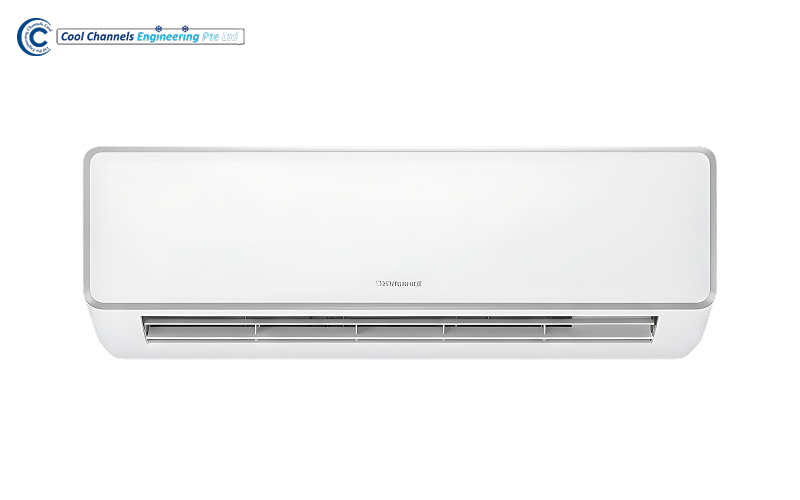
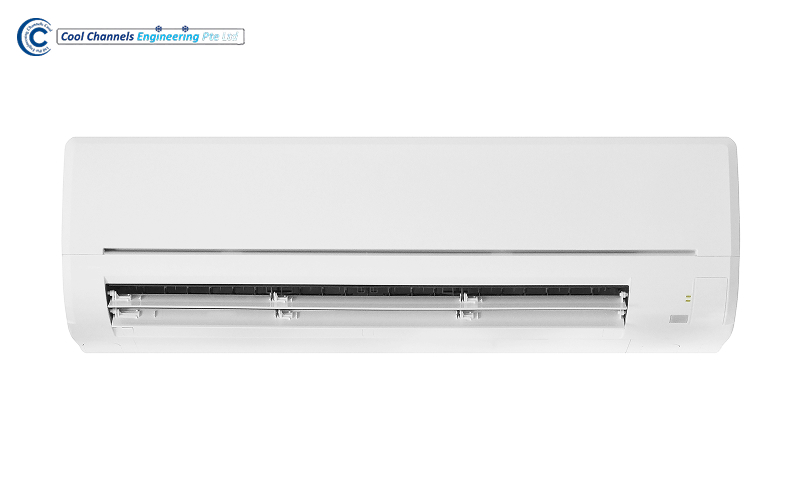
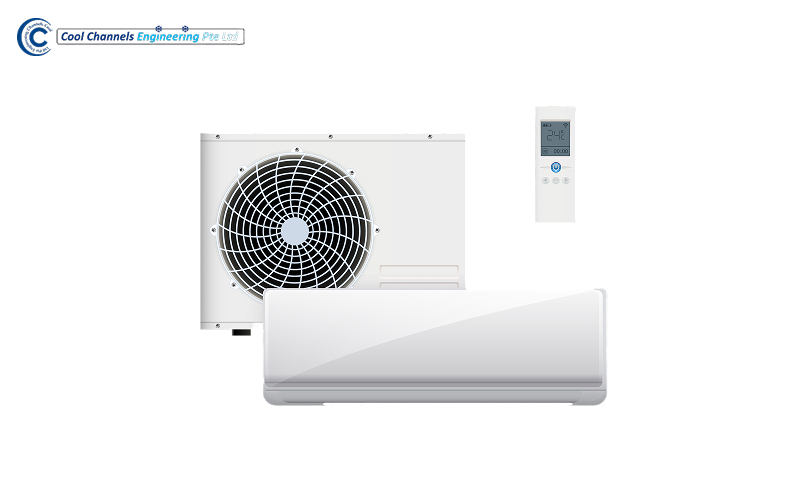
Your air conditioner greatly influences indoor air quality, especially with frequent use. Over time, dust, mould, and bacteria can build up inside the filters and coils, recirculating through your living space if not properly cleaned.
Regular aircon cleaning is key. Wash the filters every few weeks and schedule professional servicing every three to six months to remove stubborn dirt and microbial buildup. However, if you notice reduced cooling efficiency, unpleasant odours, or visible mould around your vents, it may be time for an aircon chemical wash. This deep-cleaning process thoroughly removes grime, bacteria, and hardened debris from internal components like the evaporator coil and blower, restoring both performance and air purity.
By keeping your aircon well-maintained, you ensure cleaner, healthier air for your entire home.
Even with a high-performing air conditioning system, your home still needs a dose of fresh air. When outdoor air quality is good, open your windows or doors for about 10 to 15 minutes each day. This simple habit helps improve home ventilation, refreshes stale indoor air, and prevents the buildup of trapped heat and pollutants.
For those living in high-rise apartments, consider installing window or door screens to prevent insects while allowing fresh air to circulate freely. It’s also important to monitor the Pollutant Standards Index (PSI) levels, especially during the haze season, before ventilating.
On days with poor outdoor air quality, keep your windows closed and rely on air purifiers equipped with High-Efficiency Particulate Air (HEPA) filters instead. These devices are highly effective at trapping ultra-fine particles, pet dander, and other allergens, ensuring that the air inside your home remains clean and safe to breathe even when the haze or dust levels outside are high. For best results, choose a purifier that matches your room size and replace the filters regularly to maintain peak performance.
Many everyday household items contribute to poor indoor air quality without you realising it. For example, synthetic fragrances, aerosol sprays, and conventional cleaning agents often contain VOCs, which can irritate the eyes and respiratory system.
Small changes in daily habits can go a long way in ensuring clean air at home and protecting your family’s wellbeing. Avoid smoking indoors, limit the use of incense or scented candles, and switch to eco-friendly, low-VOC cleaning products and paints.

Nature offers its own way to purify the air and improve indoor air quality. Certain houseplants, such as peace lilies, snake plants, and spider plants, are known to filter out harmful toxins and refresh indoor spaces naturally. Plus, these plants are fairly easy to maintain while adding a calming, decorative touch to your home, making them an effortless way to support cleaner, fresher air indoors. Just remember not to overwater, as it can cause root rot and damage the plants, reducing their ability to thrive and purify your space effectively.
Creating a healthier indoor environment starts with small, consistent steps. By keeping your aircon clean, improving ventilation, reducing chemical pollutants, and adding a touch of greenery, you can significantly enhance your home’s indoor air quality in Singapore.
At Cool Channels Engineering, we understand how important it is to enjoy a comfortable and clean home environment. Our team provides expert cleaning and repair services to keep your air conditioning system running efficiently and your indoor air fresh. For ongoing peace of mind, we also offer aircon service contracts to ensure your unit is regularly maintained for consistent performance and cleaner, healthier air.
Get in touch with our friendly team today.