How to Prevent Mould in Aircon and Maintain Clean Air

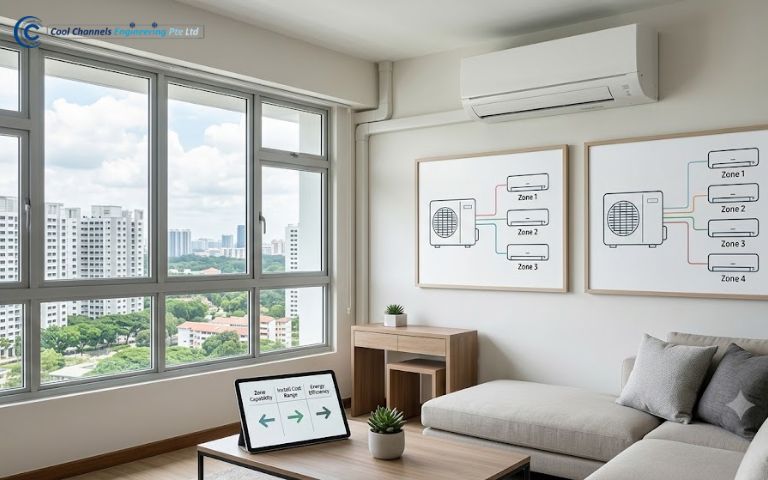
Turning on an aircon-F

Mould in your aircon unit can be more than just an aesthetic problem; it can also lead to poor air quality and potential health issues for you and your family. Mould thrives in damp, warm environments, and air conditioners—especially those with poor maintenance—can provide the ideal conditions for mould to grow; even more so in already humid climates like Singapore’s. Fortunately, there are several aircon mould prevention measures you can take to stop mould from taking hold in your aircon system and maintain clean, healthy air in your home or office.
Regular Cleaning

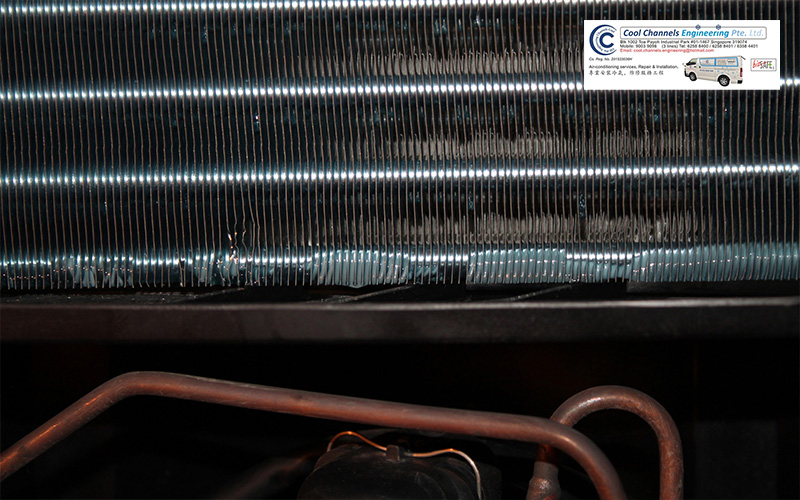
Aircon evaporator coils

One of the most effective ways to prevent mould in aircon units is through regular cleaning. Dust, moisture, and debris are often the perfect breeding ground for mould and mildew. If left unchecked, mould can accumulate on various parts of the system, including the evaporator coil, filters, and ducts.

Key cleaning tips include:

  • Cleaning the Filters: The air filter in your aircon should be cleaned regularly, as it traps dust, dirt, and moisture. Dirty filters restrict airflow, making it harder for your aircon to function efficiently, and they can also become a source of mould growth.
  • Cleaning the Evaporator Coils: The evaporator coil is another area where moisture can build up, providing an ideal environment for mould. Cleaning the coils regularly helps to prevent mould from forming and ensures the air conditioning system works optimally.

By making regular cleaning part of your aircon maintenance routine, you can reduce the risk of mould buildup and maintain a clean and efficient air system.
Use of Dehumidifiers

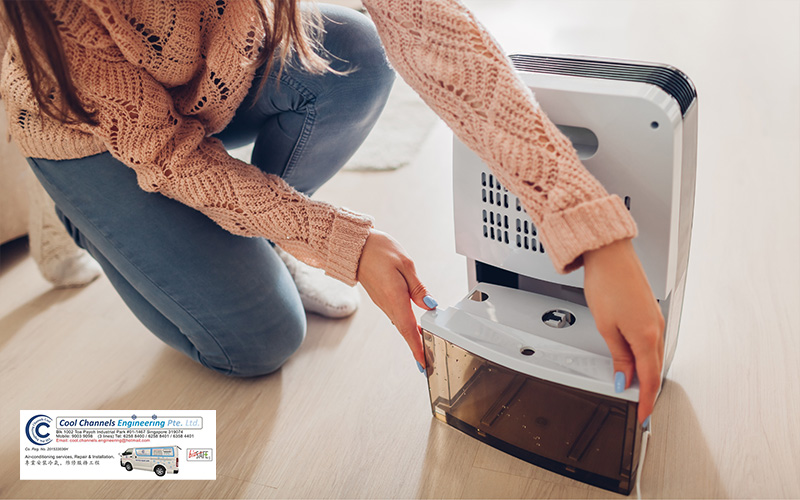
Using a dehumidifier

Excess moisture is one of the leading causes of mould growth in air conditioning systems. In regions with high humidity, or in areas where the aircon is used frequently, moisture can easily accumulate in the unit, creating the perfect conditions for mould to thrive.

How dehumidifiers help:

  • Controlling Humidity: A dehumidifier helps control the humidity level in your home or office. By reducing the moisture in the air, you limit the opportunity for mould growth in your aircon system.
  • Complementing Your Aircon: In high-humidity environments, using a dehumidifier alongside your air conditioning unit can help to maintain a drier environment, ensuring that both the air in your space and your aircon remain free from excess moisture.

Investing in a dehumidifier can significantly reduce the risk of mould in your aircon and improve indoor air quality.
Proper Drainage

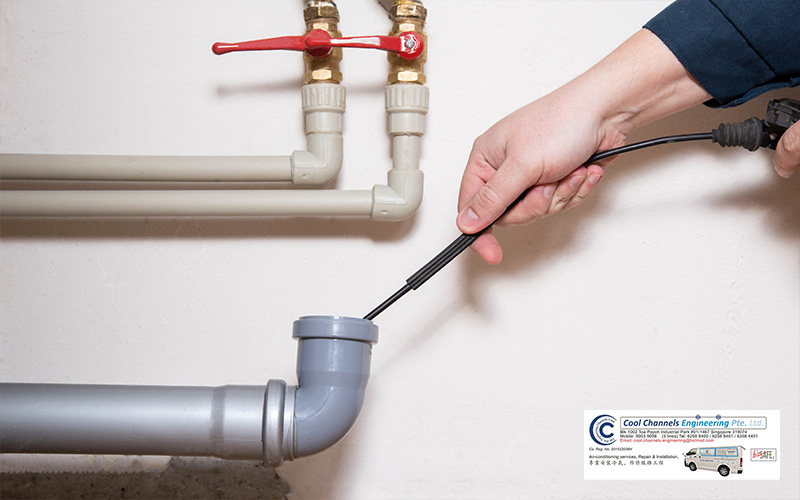
Cleaning aircon drain pipe

Your aircon’s drainage system plays a crucial role in preventing moisture from accumulating inside the unit. Air conditioners produce condensation during the cooling process, which needs to be drained away efficiently to prevent water from pooling inside the system. If the drainage system is clogged or not functioning properly, stagnant water can promote mould growth.

Check the drainage system:

  • Clear the Drain Line: Regularly inspect the drainage line to ensure that it is clear of blockages. A clogged drain line can cause water to accumulate in the unit, creating a perfect breeding ground for mould and mildew.
  • Ensure Proper Drainage: Ensure that water is draining properly from the unit and not leaking into other parts of the aircon, which can contribute to moisture buildu

Maintaining proper drainage is essential for preventing stagnant water and mould in your aircon unit.
Professional Chemical Wash

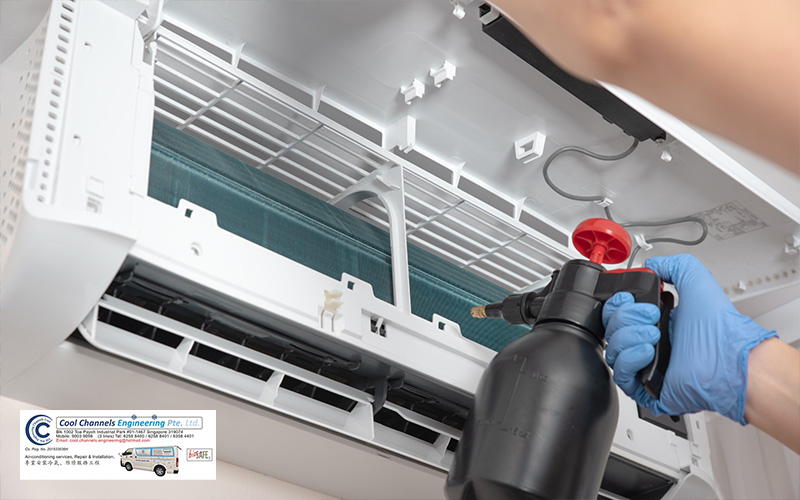
Aircon chemical wash

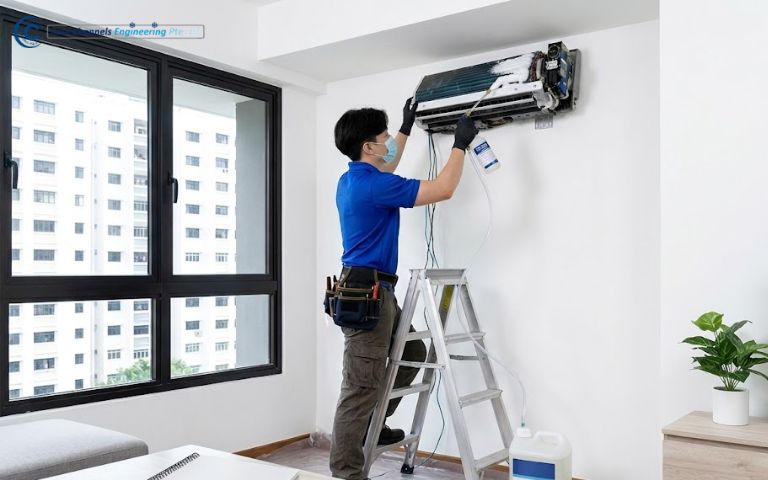
For deeper cleaning and to remove mould, mildew, and grime that regular cleaning might miss, a professional chemical wash is recommended. An aircon chemical wash for mould is an effective way to eliminate stubborn mould and other contaminants that can affect air quality and the overall efficiency of the system.

Benefits of a chemical wash:

  • Thorough Cleaning: A professional aircon chemical wash ensures that every part of your aircon unit is thoroughly cleaned, including areas that are difficult to reach with standard cleaning methods.
  • Mould Removal: The use of specialised cleaning chemicals helps to eliminate mould, mildew, and grime that can accumulate in areas such as the evaporator coil and fan components.
  • Enhanced Air Quality: By removing contaminants, a chemical wash helps improve the air quality in your home or office and ensures your aircon system operates efficiently.

If you have noticed any signs of mould in your aircon or suspect that your system could benefit from a deeper clean, contacting an aircon repair company for a chemical wash is a great way to ensure that your unit remains mould-free and operates at peak performance.

How Cool Engineering Can Help

Here at Cool Engineering, we specialise in providing professional air conditioning services in Singapore, including aircon chemical wash and good aircon servicing to ensure your unit stays clean and healthy. Our team is highly experienced in all kinds of aircon repair and can help you with a range of air conditioning maintenance services, from filter cleaning to more comprehensive services like aircon leaking repair and aircon compressor repairs.

Regular servicing by professionals is the best way to ensure your aircon remains in excellent condition, free from mould and other contaminants. Cool Engineering’s team is equipped to carry out thorough inspections, cleaning, and servicing to extend the life of your aircon and improve the air quality in your home or business.

Mould in aircon units is a common problem that can lead to poor air quality and potential health issues. Fortunately, by following air conditioning clean air tips such as regular cleaning, using dehumidifiers, ensuring proper drainage, and scheduling a professional chemical wash, you can significantly reduce the risk of mould and maintain clean air in your home or office.

For more information about our services or to schedule an appointment, please contact us today.
Share this blog:

More Blogs for You

Stay updated with the latest tips, industry trends, and company updates to keep your air conditioning systems performing at their best.

HDB aircon installation

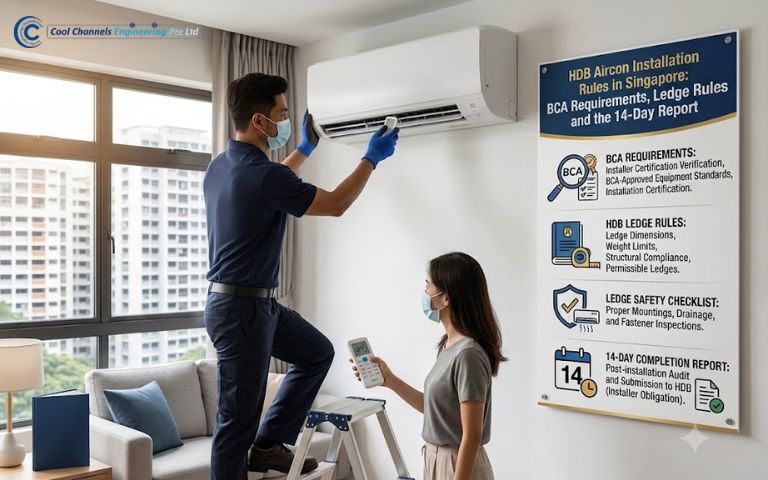
HDB Aircon Installation Rules in Singapore: BCA Requirements, Ledge Rules and the 14-Day Report

These rules come from HDB’s official renovation guidelines for air conditioner installation works. Non-compliance can result in mandatory rectification at your own cost. If you are installing a new aircon system or replacing an existing one in your HDB flat, getting the compliance side right matters. This guide breaks down every requirement in plain terms […]

system 3 aircon singapore

System 3 vs System 4 Aircon in Singapore: How to Choose the Right Setup for Your Home

System 3 and System 4 are the two most popular aircon configurations in Singapore homes. Both use a single outdoor condensing unit to serve multiple indoor fan coil units. The difference is how many indoor units the system supports. But that one-unit difference affects cost, cooling capacity, outdoor unit size, and electricity consumption. This guide […]

aircon piping replacement

Aircon Piping Replacement Cost in Singapore: Pricing, Signs and What to Expect

Copper piping is the connection between your indoor and outdoor aircon units. It carries refrigerant in both liquid and gas form, and its condition directly affects how well your system cools. When piping fails, the result is a slow refrigerant leak that gets worse over time, costing you in repeated gas top-ups and declining performance […]

LOGIN

Or

SIGN UP​​

Or