What’s the Best Aircon Temperature for a Good Night’s Sleep?

Key Takeaways

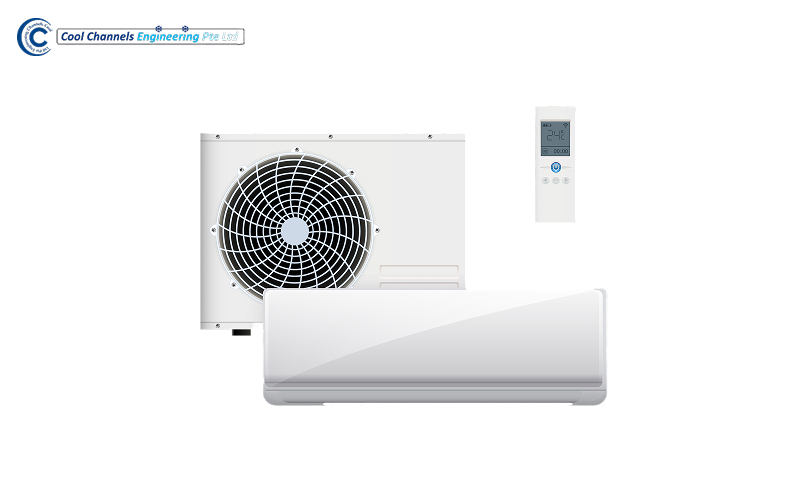
  • The best aircon temperature for sleeping in Singapore’s humid climate is between 24°C and 26°C.
  • Making use of built-in features like timers and gradual temperature changes helps you sleep better while saving energy.
  • Create a sleep-friendly environment by positioning your aircon away from direct airflow, choosing breathable bedding, and wearing lightweight sleepwear.

Introduction

Woman waking up refreshed in air-conditioned room

If you’ve ever woken up feeling too cold, stuffy, or groggy, your aircon settings might be part of the problem. Finding the best aircon temperature for sleeping isn’t just about staying cool—it directly affects sleep quality, comfort, and even your electricity bill.

In Singapore’s tropical heat, the right temperature can make all the difference between tossing and turning or waking up refreshed. Let’s explore how to set your aircon for optimal rest, and how a few simple adjustments can create a sleep-friendly environment every night.

What is the Ideal Aircon Temperature for Sleep?

Generally, the best aircon temperature for sleeping in tropical climates like Singapore falls between 24°C and 26°C. This range supports your body’s natural drop in core temperature as you drift off to sleep. When your environment matches this internal cooling process, it becomes easier to fall asleep and stay asleep through the night.

It’s also a common misconception that colder means better. Setting your aircon below 23°C might seem refreshing at first, but it can cause restlessness, sore throats, or even mild dehydration by morning. Striking that balance between coolness and comfort helps maintain deep, restorative sleep, especially in Singapore’s warm, humid nights.

That being said, everyone’s preferences are different. Start with a setting of 25°C and adjust by one degree each night until you find a comfortable sleep temperature.

How to Use Aircon Features to Improve Your Sleep

Adjusting the aircon temperature for optimal sleep

Modern systems come equipped with features designed to make your nights cooler and more energy-efficient. Here are some tips that can help:

  • Activate your aircon’s sleep mode: This feature automatically raises the temperature by 1–2°C as the night progresses. Since your body temperature drops during sleep, you’ll stay comfortable without feeling chilled or wasting energy.
  • Set a timer: If you tend to fall asleep quickly but wake up cold, a timer can help by turning the unit off after a few hours.
  • Use dry mode: In Singapore’s humid climate, this function reduces excess moisture in the air without overcooling your room. It’s especially useful during the rainy season.
  • Avoid low fan speeds for too long: Running your aircon on low fan speed for extended periods can cause condensation inside the unit, potentially leading to mould or unpleasant odours.

Smart temperature management not only ensures comfort but also extends your unit’s lifespan. If you’re considering upgrading to a newer system with advanced sleep features, professional aircon installation ensures efficient operation and quiet performance throughout the night.

Tips for Maximising Comfort While You Sleep

Even with the best aircon temperature for sleeping, here are some simple adjustments you can make for better rest:

  • Check airflow direction: Avoid placing your aircon directly above or facing your bed. Continuous airflow can cause uneven cooling or discomfort.
  • Choose breathable bedding: Lightweight, natural materials like cotton promote better air circulation and help regulate body temperature.
  • Wear the right sleepwear: Breathable fabrics prevent overheating and absorb perspiration, keeping you comfortable all night.
  • Prioritise air quality: Clean filters allow your unit to deliver cleaner, fresher air. Regular maintenance and aircon cleaning in Singapore also prevent dust, allergens, and bacteria buildup that could affect your breathing while you sleep.

Turn Your Bedroom into the Perfect Sleep Sanctuary

Finding the best aircon temperature for sleeping is a simple yet powerful way to improve your rest and overall well-being. Aim for a range between 24°C and 26°C, make use of your aircon’s built-in features, and keep your unit clean to enjoy consistently cool, refreshing sleep every night.

At Cool Channels Engineering, we understand how comfort and air quality go hand in hand. That’s why we’re committed to providing reliable servicing, repairs, and maintenance across Singapore, ensuring that your air conditioning system performs at its best.

Contact us today for a non-obligatory consultation and start sleeping better in a perfectly cooled home.
Share this blog:

More Blogs for You

Stay updated with the latest tips, industry trends, and company updates to keep your air conditioning systems performing at their best.

HDB aircon installation

HDB Aircon Installation Rules in Singapore: BCA Requirements, Ledge Rules and the 14-Day Report

These rules come from HDB’s official renovation guidelines for air conditioner installation works. Non-compliance can result in mandatory rectification at your own cost. If you are installing a new aircon system or replacing an existing one in your HDB flat, getting the compliance side right matters. This guide breaks down every requirement in plain terms […]

system 3 aircon singapore

System 3 vs System 4 Aircon in Singapore: How to Choose the Right Setup for Your Home

System 3 and System 4 are the two most popular aircon configurations in Singapore homes. Both use a single outdoor condensing unit to serve multiple indoor fan coil units. The difference is how many indoor units the system supports. But that one-unit difference affects cost, cooling capacity, outdoor unit size, and electricity consumption. This guide […]

aircon piping replacement

Aircon Piping Replacement Cost in Singapore: Pricing, Signs and What to Expect

Copper piping is the connection between your indoor and outdoor aircon units. It carries refrigerant in both liquid and gas form, and its condition directly affects how well your system cools. When piping fails, the result is a slow refrigerant leak that gets worse over time, costing you in repeated gas top-ups and declining performance […]

LOGIN

Or

SIGN UP​​

Or